
Premium Ethnobotanical Supplies | MHRB, Botanicals & Natural Extracts
Ethically sourced, lab-tested Mimosa Hostilis root bark for natural dyeing, soap making, and botanical applications. Delivered with transparency and consistency.

Our latest items
- $100.99 – $440.99Price range: $100.99 through $440.99 Select options This product has multiple variants. The options may be chosen on the product page
- $90.00 – $800.00Price range: $90.00 through $800.00 Select options This product has multiple variants. The options may be chosen on the product page
- $135.99 – $550.99Price range: $135.99 through $550.99 Select options This product has multiple variants. The options may be chosen on the product page
What is Mimosa Hostilis Root Bark?
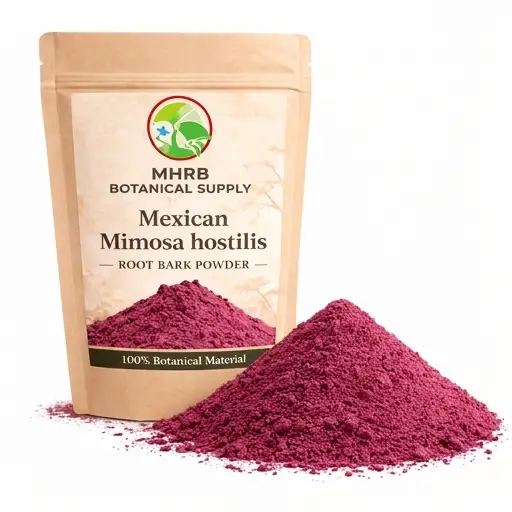
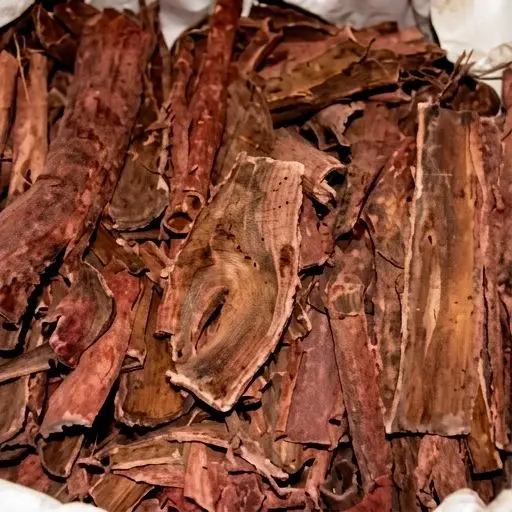
Mimosa Hostilis Root Bark (MHRB) is a natural botanical derived from the root system of the Mimosa tenuiflora tree, native to regions of South America. It has been traditionally valued for its dense, fibrous structure and rich natural composition.
Today, MHRB is widely recognized in the ethnobotanical space for its quality and consistency, making it one of the most sought-after plant materials globally. Its deep coloration and fine inner bark are often used as indicators of quality when sourced and processed correctly.
👉 Read more to understand sourcing, characteristics, and quality indicators.
🌿 How to Identify High-Quality MHRB
Mimosa Hostilis Root Bark (MHRB) is a natural botanical derived from the root system of the Mimosa tenuiflora tree, native to regions of South America. It has been traditionally valued for its dense, fibrous structure and rich natural composition.
Today, MHRB is widely recognized in the ethnobotanical space for its quality and consistency, making it one of the most sought-after plant materials globally. Its deep coloration and fine inner bark are often used as indicators of quality when sourced and processed correctly.
👉 Visit Mhrb Shop page to browse our High Quality MHRB options
MHRB Powder vs Shredded: What’s the Difference?
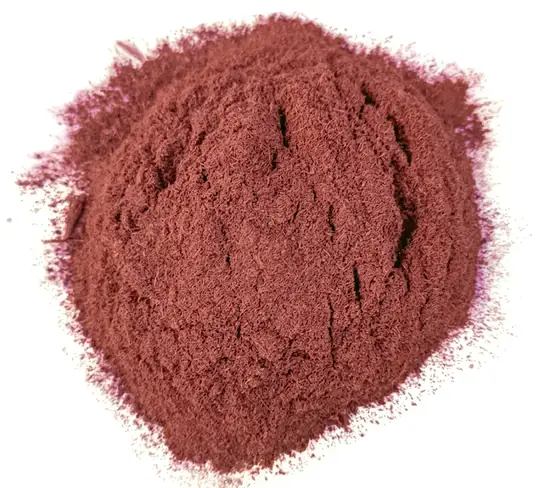
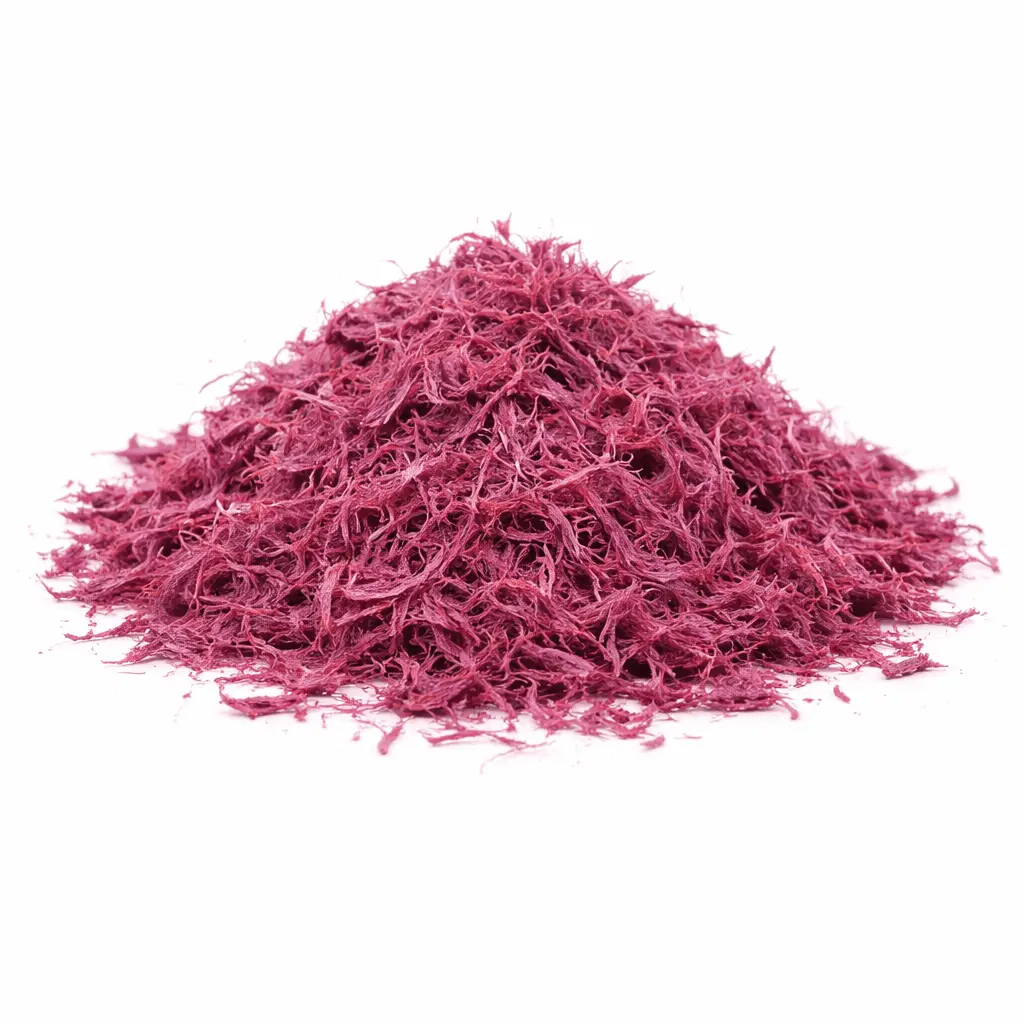
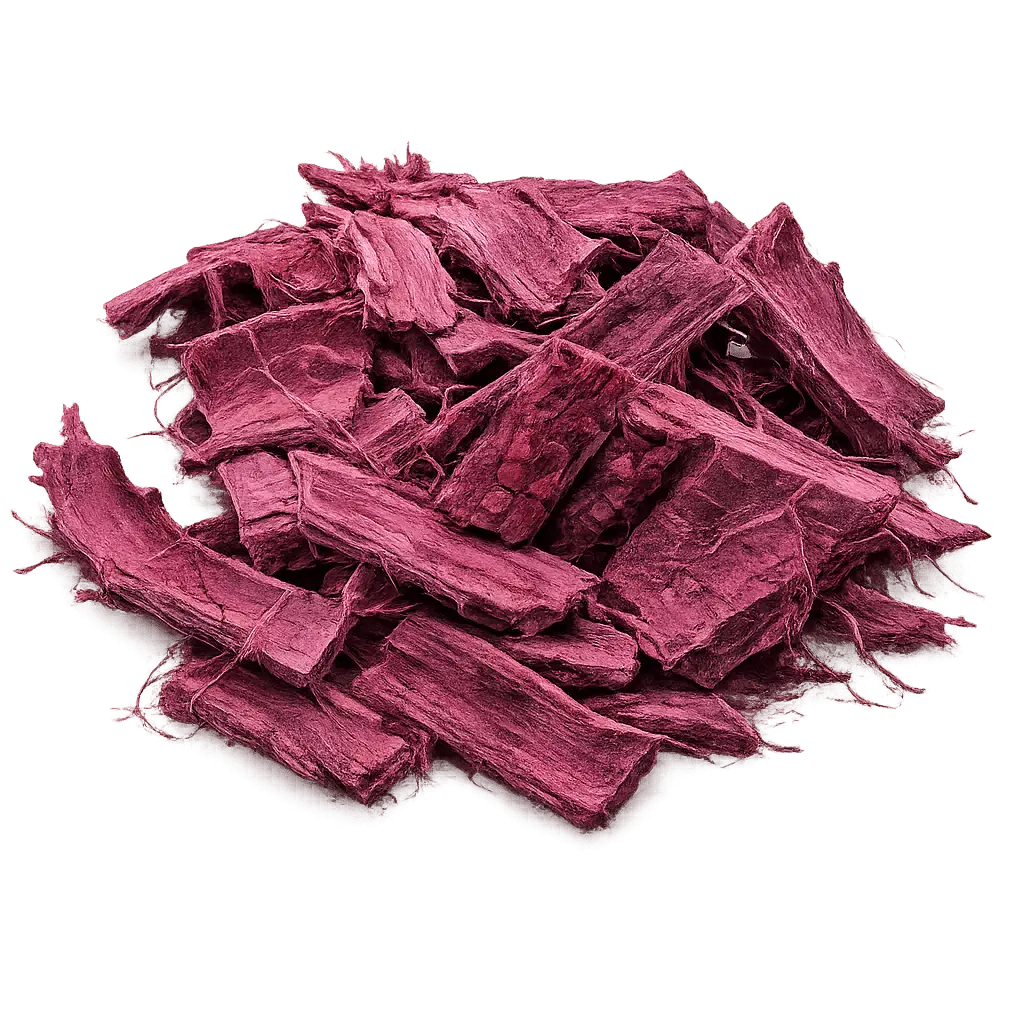
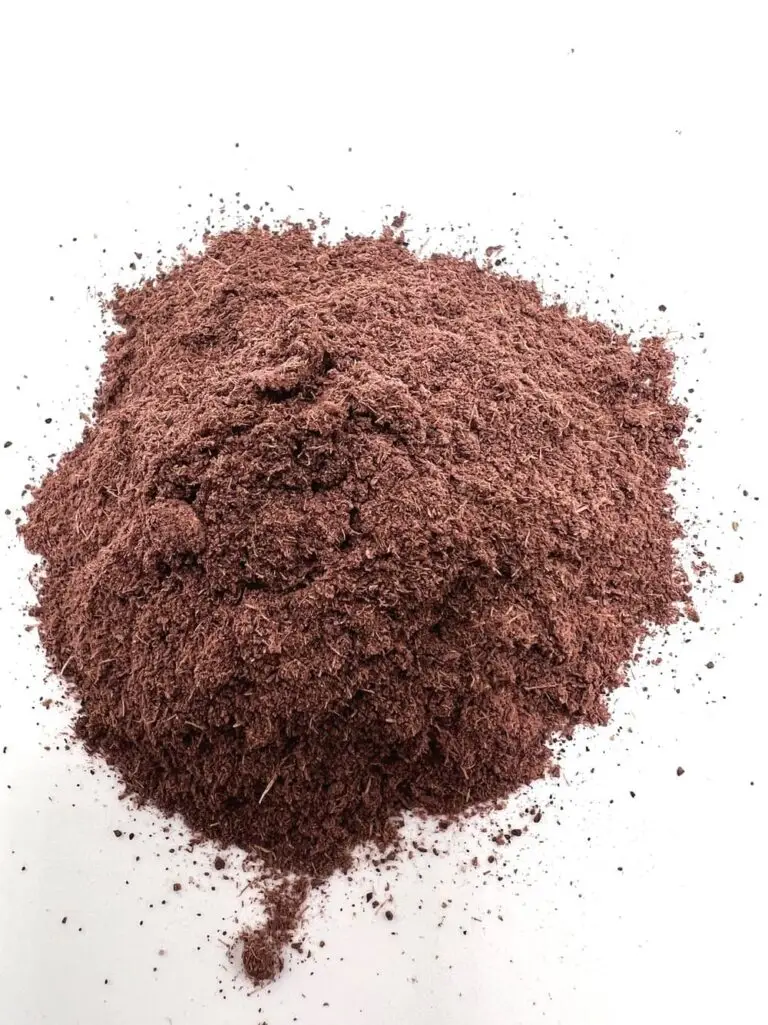
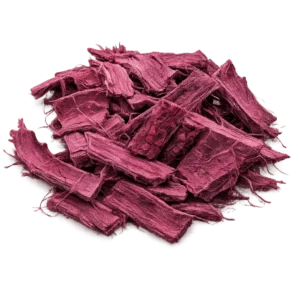
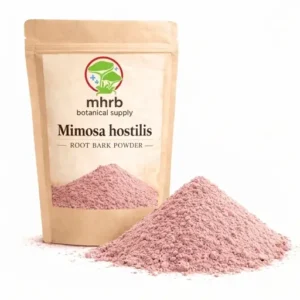
Mimosa Hostilis Root Bark is typically available in two primary forms: powdered and shredded. While both come from the same source, they differ in texture, handling, and general use preferences.
| Feature | MHRB Powder | MHRB Shredded |
|---|---|---|
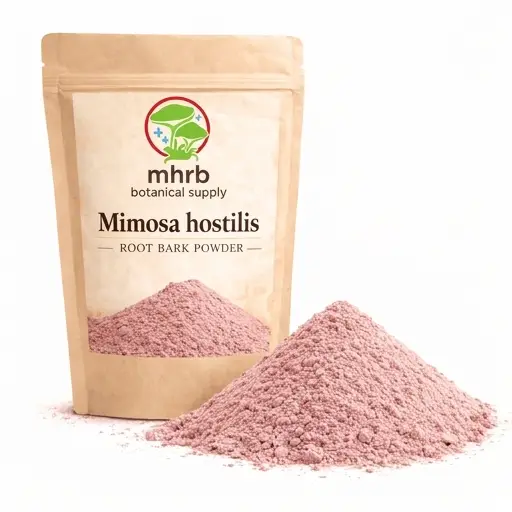
| Texture | Fine, consistent powder | Coarse, fibrous strips |
| Processing Level | More refined | Less processed |
| Appearance | Smooth, uniform color | Visible inner bark strands |
| Storage | Compact, easy to store | Bulkier, requires more space |
| Handling | Easy to measure and portion | Requires additional preparation |
| Preference | Preferred for convenience | Preferred for raw/natural form |

Carefully Sourced. Quality Focused
Our botanicals are sourced from regions where Mimosa Hostilis naturally thrives, particularly in parts of South and Central America known for favorable growing conditions. We work with experienced harvesters who prioritize responsible collection and consistent quality.
After harvesting, the root bark is carefully processed to preserve its natural structure and appearance. Attention is given to clean preparation, consistent texture, and proper handling from origin to final packaging.
We focus on delivering material that is well-prepared, consistent in color and form, and handled with care at every stage.


Why Choose Us
We focus on quality, consistency, and reliable service—delivering carefully selected botanicals you can trust every time.

Outstanding support
Fast, responsive support whenever you need it. We’re here to answer questions and ensure a smooth experience from start to finish.

Secure checkout
Your information is protected with secure checkout systems, giving you a safe and reliable purchasing experience.
Some FAQs
Is Mimosa Hostilis Root Bark legal?
Legality depends on your country’s regulations. We recommend customers check local laws before purchasing or importing botanical materials.
How is it shipped?
Orders are securely packaged and shipped discreetly to protect privacy and ensure safe delivery.
How should it be stored?
Store in a cool, dry place away from direct sunlight and moisture to maintain quality and freshness.
What’s the difference between powder and shredded?
Powder is finely processed for convenience, while shredded retains a more natural, coarse texture. Both come from the same source material.
Need more answers?
Visit our full About page for more detailed information about ordering, shipping, product differences, and general support.
Mimosa Hostilis for sale
Shop Mimosa Hostilis root bark in powder, shredded, and whole forms — premium botanical materials for research and educational use.

Our most popular products
- $145.00 – $495.00Price range: $145.00 through $495.00 Select options This product has multiple variants. The options may be chosen on the product page
- $145.00 – $480.00Price range: $145.00 through $480.00 Select options This product has multiple variants. The options may be chosen on the product page
- $180.00 – $900.00Price range: $180.00 through $900.00 Select options This product has multiple variants. The options may be chosen on the product page
🟢 Mimosa Hostilis, Acacia & San Pedro – Botanical Overview
Mimosa Hostilis, Acacia, and San Pedro are widely recognized botanical species valued in ethnobotanical research and plant documentation. These materials are commonly studied for their natural structure, origin characteristics, and historical relevance across different regions.
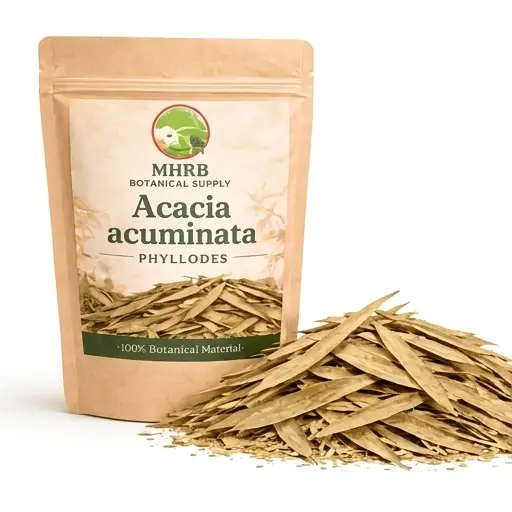
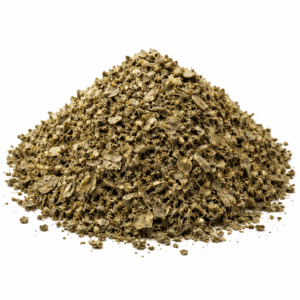
Mimosa Hostilis, often sourced from Mexico and Brazil, is known for its distinct root bark structure and is supplied in multiple formats to support different research needs. Acacia species, including Acacia acuminata, are appreciated for their unique plant components such as phyllodes and finely ground powders. San Pedro cactus (Echinopsis pachanoi), traditionally associated with Andean regions, remains an important subject in botanical and cultural studies.
To support flexibility and accuracy in handling, these botanical materials are typically offered in various forms:
- Powder – finely ground for consistent texture and efficient storage
- Shredded – a balanced format that maintains structure while improving usability
- Whole – unprocessed material that preserves full plant integrity for visual inspection
Each format serves a specific purpose in research, educational study, and archival documentation. Because these products remain natural and unmodified, variations in color, texture, and appearance may occur, reflecting their origin and growing conditions.
All materials are supplied strictly for botanical, educational, and ethnobotanical reference purposes, where permitted by law.