
Introduction
If you’ve been shopping for Mimosa Hostilis Root Bark (MHRB), you’ve probably noticed that it comes from two main sources: Mexico and Brazil. At first glance, they seem identical — same plant, same name, same product. But experienced buyers know there are real, measurable differences between the two origins that can affect color, texture, phytochemical profile, and overall quality. Understanding the Mexican vs Brazilian Mimosa Hostilis debate helps you make a smarter purchasing decision whether you’re a natural dyer, soapmaker, herbalist, or botanical researcher. This guide breaks down every key difference between the two origins — from growing conditions and soil type to color, fiber content, and ideal use cases — so you can confidently choose the right bark for your needs.
What Is Mimosa Hostilis?
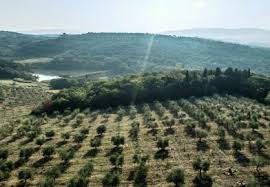
Mimosa Hostilis, scientifically known as Mimosa tenuiflora, is a perennial tree or shrub native to Latin America. It grows naturally across a wide geographic range — from the semi-arid northeastern region of Brazil all the way north through Central America and into southern Mexico, particularly the states of Oaxaca and Chiapas.
The plant is known by different names depending on the region:
- Brazil: Jurema Preta, Calumbi
- Mexico: Tepezcohuite, Carbonal
Both names refer to the same species, but the growing environments are significantly different — and that difference matters. The root bark is the most commercially valued part of the plant due to its high concentration of tannins, flavonoids, saponins, and natural pigments. These compounds make it highly sought after for natural dyeing, botanical crafts, skincare formulations, soap making, and academic research.
Why Origin Matters
The same plant species can produce very different quality root bark depending on where it grows. Soil composition, rainfall patterns, altitude, humidity levels, and harvesting practices all influence the concentration of bioactive compounds in the root bark.
This is why origin is one of the most important factors when comparing MHRB products. A poorly sourced batch — regardless of which country it comes from — can underperform compared to a premium batch from the competing origin. That said, the two growing regions have fundamentally different environmental profiles that tend to produce consistently different results.
Mexican vs Brazilian Mimosa Hostilis: Full Comparison
🌿 Mexican Mimosa Hostilis (Tepezcohuite)
- Grows primarily in Chiapas and Oaxaca in southern Mexico
- Found in sandy, well-draining soils with a hot, semi-dry climate and lower rainfall
- Lower humidity reduces the risk of fungal infections in the root system
- Trees develop more vegetal fats and resins as an adaptation to moisture retention in dry conditions
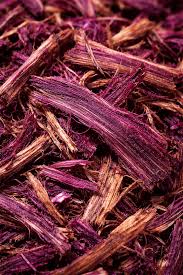
- Known for deep purple and burgundy coloration — both in the raw bark and in finished powder
- Higher resin and fat content gives the bark a richer, more fibrous texture
- Generally considered to produce more vivid color in natural dyeing applications
- Tannin content is high, contributing to strong astringency and excellent dye uptake
- Typically more expensive per gram due to higher perceived quality and lower export volumes
- Plant tends to be smaller with thinner bark and branches compared to Brazilian varieties
- Strong cultural heritage — Tepezcohuite has been used by indigenous Mayan and Aztec communities for centuries
- Notable historical use: widely applied to treat burn victims after the 1985 Mexico City earthquake
🌿 Brazilian Mimosa Hostilis (Jurema Preta)
- Grows primarily in the northeastern states: Bahia, Pernambuco, Ceará, Paraíba, and Rio Grande do Norte
- Found in the semi-arid Caatinga biome — compact, hard soil with long dry seasons and intermittent rains
- Higher ambient humidity compared to Mexico, which can increase the risk of fungal pressure on root systems
- Trees tend to be larger and produce thicker bark and thicker branches
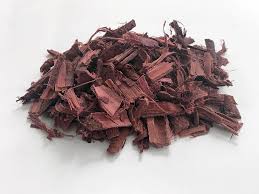
- Color tends to be slightly lighter — ranging from reddish-brown to light purple — compared to Mexican bark
- Drier, less resinous texture that makes it easier to mill into fine powder
- Widely exported in large volumes, making it more accessible and generally more affordable
- Strong traditional cultural use in religious and shamanic ceremonies (Jurema rituals)
- Generally considered more consistent in powder form due to drier bark fiber
- Often the default choice for bulk buyers and large-scale processors due to lower cost
- Quality can vary more widely depending on the supplier and harvest region within Brazil
Key Differences Summary
- Common name: Mexican = Tepezcohuite | Brazilian = Jurema Preta
- Growing region: Chiapas/Oaxaca, Mexico | Northeastern Brazil (Bahia, Pernambuco, etc.)
- Soil type: Sandy, well-draining | Hard, compact Caatinga soil
- Climate: Hot, semi-dry, low humidity | Semi-arid with higher ambient humidity
- Color: Deep purple/burgundy | Reddish-brown to lighter purple
- Texture: Fibrous, resinous, higher fat content | Drier, less resinous, easier to grind
- Plant size: Smaller tree, thinner bark | Larger tree, thicker bark
- Tannin profile: High, with richer resin compounds | High, with drier phytochemical profile
- Powder color: Dark purple-brown | Lighter reddish-brown
- Price: Higher (premium positioning) | Lower (bulk commodity)
- Availability: Less common, smaller export volumes | More common, widely available
- Best for: Vivid natural dyeing, premium soapmaking, botanical crafts | Bulk processing, powder production, entry-level applications
Which One Should You Choose?
The right choice depends entirely on your goals, budget, and application.
Choose Mexican MHRB if:
- You want the richest, deepest color in your natural dye or craft project
- You’re making premium handmade soaps and want vibrant, consistent hues
- You prefer a more resinous, fibrous bark that retains more natural compounds
- You’re willing to pay a premium for superior pigmentation
- You’re working in small batches where per-gram quality matters more than cost
Choose Brazilian MHRB if:
- You’re buying in bulk or working on large-scale projects
- You want an easier-to-grind bark that produces consistent fine powder
- You’re working on a tighter budget without sacrificing overall quality
- You need a widely available, reliably stocked product with fast shipping
- You’re a first-time buyer who wants to experiment before committing to a premium product
Bottom line: Both origins are legitimate, high-quality botanical materials when sourced from reputable suppliers. Mexican MHRB tends to outperform in color-critical applications. Brazilian MHRB is the better value option for volume work and powder-based applications.
Available Forms: Powder, Shredded, and Whole
Regardless of origin, both Mexican and Brazilian MHRB are available in three standard forms:
Powder:
- Finely milled, ready to use immediately
- Best for soap making, formulations, and applications requiring precise measurement
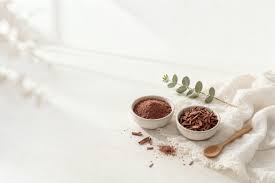
- Brazilian bark in powder form tends to be lighter in color; Mexican powder is typically darker and richer
Shredded:
- Pre-cut into irregular strips and chips
- Good balance of convenience and flexibility
- Suitable for natural dyeing, botanical infusions, and controlled extractions
Whole:
- Dried root bark in its most natural, unprocessed state
- Best for long-term storage and buyers who want to control their own processing
- Allows full visual inspection of bark quality and origin authenticity
Recommended Products
Explore our full range of ethically sourced MHRB from both origins, available in all three forms:
- 🇲🇽 Mexican MHRB — Tepezcohuite, premium quality → [Mexican MHRB Products ]
- 🇧🇷 Brazilian MHRB — Jurema Preta, great value → [Brazilian MHRB Products ]
- 🌿 MHRB Powder (both origins available) → [MHRB Powder ]
- 🌿 MHRB Shredded (both origins available) → [MHRB Shredded ]
- 🌿 MHRB Whole (both origins available) → [MHRB Whole]
All products are third-party tested, sustainably harvested, and shipped in discreet, moisture-resistant packaging.
Frequently Asked Questions
1. Is Mexican or Brazilian MHRB stronger? Both contain similar phytochemical profiles, but Mexican MHRB from Chiapas is generally considered more potent for color-intensive applications due to its higher resin content and deeper pigmentation. The “stronger” option depends on your specific use case.
2. Why is Mexican MHRB more expensive than Brazilian? Mexican MHRB is produced in smaller volumes, involves more artisanal harvesting practices, and is widely regarded as the premium-quality origin. Brazilian MHRB is exported in much larger quantities, keeping the price lower.
3. Can you tell the difference between Mexican and Brazilian MHRB by looking at it? Yes, in most cases. Mexican bark tends to have a deeper purple or burgundy color with a more fibrous, resinous texture. Brazilian bark is often lighter in color with a drier, less sticky feel. In powder form, Mexican powder is typically darker.
4. Are both origins legal to buy? Yes. Both Mexican and Brazilian Mimosa Hostilis Root Bark are legal botanical specimens in the United States and most other countries. Always verify local laws before purchasing. It is the buyer’s responsibility to confirm legality in their jurisdiction.
5. Which origin is better for natural fabric dyeing? Mexican MHRB is generally preferred for natural dyeing due to its deeper pigmentation and higher resin content, which produces richer, longer-lasting colors on fabric. Brazilian MHRB can still produce good results, especially in larger batch dyeing where higher volume is needed.
Conclusion
When comparing Mexican vs Brazilian Mimosa Hostilis, there is no single “best” origin for every buyer. Mexican MHRB (Tepezcohuite) stands out for premium color, richer texture, and deeper pigmentation — making it the preferred choice for quality-focused crafters and artisans. Brazilian MHRB (Jurema Preta) offers excellent value, wider availability, and consistency in powder form — making it ideal for bulk buyers and beginners. Understanding these distinctions empowers you to choose the right product for your project, budget, and goals. Whichever origin you choose, always prioritize reputable suppliers who provide transparent sourcing and quality testing.
Compliance Disclaimer
This article is intended for educational and informational purposes only. The information provided does not constitute medical, legal, or professional advice of any kind. Mimosa Hostilis Root Bark is sold strictly as a botanical specimen for research, botanical study, natural dyeing, soap making, and other lawful purposes. It is the sole responsibility of the buyer to understand and comply with all applicable local, state, national, and international laws regarding the purchase, possession, and use of this material. The seller and author make no claims regarding therapeutic, psychoactive, or medicinal properties of this product. This product is not intended to diagnose, treat, cure, or prevent any disease or condition.