
Introduction
If you’ve come across the term “Mimosa Hostilis Root Bark” while researching natural dyes, botanical ingredients, or plant-based materials, you’re not alone. This fascinating plant material has gained significant attention among researchers, artisans, soapmakers, and natural dye enthusiasts around the world. But what exactly is Mimosa Hostilis Root Bark, and why is it so widely studied and sought after? In this beginner’s guide, we break down everything you need to know — from what the plant is and where it grows, to the different forms it comes in and how to identify a quality product. Whether you’re new to the world of botanical materials or simply looking to deepen your understanding, this guide is the ideal starting point.
What Is Mimosa Hostilis?
Mimosa Hostilis is the common name for a plant species scientifically known as Mimosa tenuiflora. It is a perennial tree or shrub that belongs to the legume family (Leguminosae). The plant is native to Latin America and has been part of indigenous botanical traditions for centuries.
Here are the key facts about the plant:
- It grows as a shrub or small tree, typically reaching 4 to 8 meters in height
- It is an evergreen in most climates, keeping its leaves through dry seasons
- The branches are covered in small, sharp thorns
- Leaves are finely pinnate and fern-like in appearance
- The plant produces small white flowers, usually in late spring or early summer
- It is highly drought-resistant and thrives in poor, rocky, or sandy soils
- The tree is known by different regional names: Jurema Preta in Brazil and Tepezcohuite in Mexico
- It belongs to the same broad plant family as mimosa trees commonly seen in ornamental gardens, though it is a distinct species
The plant is scientifically recognized as Mimosa tenuiflora, and both names — Mimosa Hostilis and Mimosa tenuiflora — refer to the same species. In academic and commercial contexts, “Mimosa Hostilis” and the abbreviation “MHRB” (Mimosa Hostilis Root Bark) are the most commonly used terms.
What Is Root Bark?
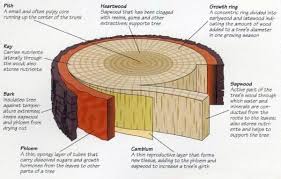
Understanding what root bark means is essential before going further. The term refers to a specific part of the plant — not the trunk, not the leaves, and not the branches, but the outer layer of the roots.
Here is how to understand it:
- A tree’s root system consists of a woody inner core (the root wood) surrounded by a protective outer layer
- The root bark is that outer layer — it is peeled away from the root wood and dried for use
- Root bark is biochemically distinct from trunk bark or branch bark — it tends to have a higher concentration of tannins, pigments, and other phytochemicals
- The inner root bark is the most prized layer — it is the deep-colored, fibrous material just beneath the outermost surface
- When you see the term MHRB, it almost always refers specifically to the inner root bark of the Mimosa Hostilis plant
This distinction matters because root bark, as opposed to other parts of the plant, is where the highest concentration of the plant’s naturally occurring compounds is found. These compounds — including tannins, flavonoids, saponins, and natural pigments — are what make MHRB valuable for research and craft applications.
Where Does Mimosa Hostilis Root Bark Come From?
Mimosa Hostilis grows across a wide geographic range in Latin America, but it is commercially harvested in two main regions:
Brazil (Jurema Preta)
- Grows primarily in the northeastern states: Bahia, Pernambuco, Ceará, Paraíba, and Rio Grande do Norte
- Found in the semi-arid Caatinga biome — a unique ecosystem characterized by thorny shrubs, cacti, and seasonal drought
- The Brazilian variety tends to produce larger trees with thicker bark
- Bark color is typically reddish-brown to medium purple
- Drier, less resinous texture — makes it easy to mill into fine powder
- Widely available and exported in large volumes
- Strong traditional and cultural heritage among indigenous communities in northeastern Brazil
Mexico (Tepezcohuite)
- Grows mainly in the southern states of Chiapas and Oaxaca
- Found in sandy, well-draining soils with a hot, semi-dry climate
- The Mexican variety tends to produce smaller trees with thinner, more fibrous bark
- Bark color is characteristically deep purple to burgundy
- Higher resin and fat content — bark has a richer, more textured feel
- Produced in smaller volumes than Brazilian bark
- Deeply embedded in Mayan and indigenous Mexican botanical heritage
Both origins are genuine Mimosa Hostilis. The differences in growing environment — particularly soil type, humidity, and rainfall — produce distinct physical and phytochemical characteristics between the two. Serious buyers often have a preference depending on their intended application.
Why Is Mimosa Hostilis Root Bark Studied?
Mimosa Hostilis Root Bark has attracted the attention of researchers, artisans, and botanists for a range of reasons. Here is an overview of the primary areas of interest — presented in a neutral, educational context:
Natural Dyeing
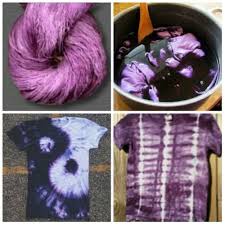
- MHRB contains abundant natural pigments that produce deep purple, red, and brown tones
- It is used as a plant-based dye for textiles including wool, cotton, and silk
- Natural dye artists value it for its rich color yield and its compatibility with mordants
Botanical Research
- The bark contains a well-documented phytochemical profile including tannins (up to 16%), flavonoids, saponins, lupeol, and various alkaloids
- It is studied as part of ethnobotanical research — the scientific examination of how plants have been used by indigenous cultures
- Academic institutions have published studies on the plant’s biochemistry, particularly its tannin content and structural compounds
Soap Making and Cosmetic Formulation
- Artisan soapmakers use MHRB powder and infused extracts to create naturally pigmented, plant-based soaps
- The tannins in the bark interact with soap-making compounds to produce earthy purple and brown tones
- Some formulators incorporate it into balms, salves, and botanical skincare preparations as a natural botanical ingredient
Traditional and Cultural Use
- Indigenous communities in Brazil have used Jurema Preta in spiritual and ceremonial contexts for centuries
- In Mexico, Tepezcohuite gained widespread recognition following the 1985 Mexico City earthquake, when it was applied to treat burn victims due to its traditional wound-care properties
- These historical uses have sparked ongoing academic interest in the plant’s phytochemistry
Common Forms of Mimosa Hostilis Root Bark
When purchasing MHRB, you will encounter three standard commercial forms. Each has different properties and practical uses:
Whole Root Bark
- The bark in its most natural, unprocessed state after harvesting and drying
- Pieces vary in size — from small chips to longer strips
- Best for long-term storage (shelf life of 2–3 years or more)
- Requires additional processing (grinding or shredding) before most applications
- Allows easy visual authentication of bark quality and origin
- Most affordable form per gram
Shredded Root Bark
- Mechanically broken down into irregular strips, chips, or fragments
- A middle-ground option — some processing done, but not fully milled
- Suitable for dye baths, infusions, and controlled extractions
- Easier to use than whole bark without the fine-dust handling concerns of powder
- Moderate shelf life (18–24 months) when stored correctly
Powdered Root Bark
- Finely milled into a consistent, uniform powder
- Highest surface area of the three forms — affects extraction and dye rates
- Ready to use with no additional preparation required
- Best for soap making, formulations, and applications needing precise measurement
- Shortest shelf life (12–18 months) — requires airtight storage
- Most expensive per gram due to additional milling processing
How to Identify Quality Mimosa Hostilis Root Bark
Not all MHRB is created equal. Here is what to look for when evaluating quality:
Color
- High-quality whole or shredded bark should display a deep reddish-purple to burgundy interior
- Powder should be a consistent dark reddish-brown to purple-brown color
- Pale, washed-out, or uniformly grey bark is a sign of age, improper drying, or contamination
Texture and Fiber
- Good bark should feel fibrous and slightly rough — not brittle or dusty
- Mexican bark tends to feel slightly sticky or resinous due to higher fat content
- Brazilian bark is typically drier but still firm and fibrous
Smell
- Fresh, quality bark has a distinctive earthy, woody aroma with slightly tannic notes
- Musty, sour, or mildew-like odors indicate moisture damage or mold exposure
Supplier transparency
- Reputable suppliers will provide the country of origin, harvest date or batch number, and ideally third-party testing documentation
- Avoid products with no origin information or that cannot confirm which part of the plant was used (root bark vs trunk bark vs other)
Packaging
- Quality MHRB should be sealed in moisture-proof packaging with minimal air exposure
- Vacuum-sealed bags or glass jars with silica gel packets are the gold standard for maintaining freshness
Recommended Products
Ready to explore Mimosa Hostilis Root Bark for yourself? Browse our range of ethically sourced, quality-tested products:
- MHRB Powder — finely milled, ready to use → [MHRB Powder Link]
- MHRB Shredded — versatile and easy to handle → [MHRB Shredded Link]
- MHRB Whole — best for storage, bulk buying → [MHRB Whole Link]
- Mexican MHRB — Tepezcohuite, deep color, premium quality → [Mexican MHRB Link]
- Brazilian MHRB — Jurema Preta, great value, consistent powder → [Brazilian MHRB Link]
All products are sustainably harvested, tested for purity, and shipped in discreet, moisture-resistant packaging.
Frequently Asked Questions
1. What does MHRB stand for? MHRB stands for Mimosa Hostilis Root Bark. It is the commonly used abbreviation in botanical, craft, and research communities to refer to the dried inner root bark of the Mimosa tenuiflora tree.
2. Is Mimosa Hostilis the same as Mimosa tenuiflora? Yes. Mimosa Hostilis and Mimosa tenuiflora are two names for the exact same plant species. Mimosa Hostilis is the older, more commonly used commercial and common name. Mimosa tenuiflora is the currently accepted scientific name.
3. Is Mimosa Hostilis Root Bark legal to buy? In the United States and most countries, Mimosa Hostilis Root Bark is legal to buy and possess as a botanical specimen. It is sold for lawful purposes including natural dyeing, soap making, and botanical research. It is the buyer’s responsibility to verify local laws before purchasing.
4. What is the difference between inner root bark and outer root bark? The outer root bark is the rough, greyish-brown outermost layer of the root. The inner root bark is the deeper, highly pigmented layer beneath it — this is the part with the highest concentration of tannins and natural compounds. Quality MHRB products use only the inner root bark.
5. How should I store Mimosa Hostilis Root Bark? Store in a cool, dark, dry location away from direct sunlight and moisture. Powder should be kept in an airtight glass jar with a silica gel packet. Whole and shredded bark can be stored in sealed bags or vacuum-sealed pouches. Properly stored, whole bark can last 2–3 years; powder lasts 12–18 months.
Conclusion
Mimosa Hostilis Root Bark is one of the most studied and versatile botanical materials in the natural dye, soap making, and ethnobotanical research communities. Understanding what it is — a dried inner root bark from the Mimosa tenuiflora tree native to Brazil and Mexico — is the first step to using it effectively. Whether you choose Brazilian Jurema Preta or Mexican Tepezcohuite, whole bark or fine powder, the key is sourcing from a transparent, reputable supplier who prioritizes quality and sustainable harvesting. With this beginner’s guide, you now have everything you need to start exploring MHRB with confidence.
Compliance Disclaimer
This article is intended for educational and informational purposes only. The information provided does not constitute medical, legal, or professional advice of any kind. Mimosa Hostilis Root Bark is sold strictly as a botanical specimen for research, botanical study, natural dyeing, soap making, and other lawful purposes. It is the sole responsibility of the buyer to understand and comply with all applicable local, state, national, and international laws regarding the purchase, possession, and use of this material. The seller and author make no claims regarding therapeutic, psychoactive, or medicinal properties of this product. This product is not intended to diagnose, treat, cure, or prevent any disease or condition.