
Introduction
When sourcing Mimosa Hostilis Root Bark (MHRB), one of the first decisions you’ll face is choosing between three available forms: powder, shredded, and whole. Each form has distinct physical characteristics, handling requirements, and practical applications. Understanding these differences helps you make an informed purchase based on your specific needs. Whether you’re a researcher, a natural dye enthusiast, or simply curious about botanical materials, knowing the pros and cons of mimosa hostilis powder vs shredded vs whole bark can save you time, money, and storage space. This educational guide breaks down every key difference so you can confidently select the right form for your purpose.
What Is Mimosa Hostilis Root Bark?
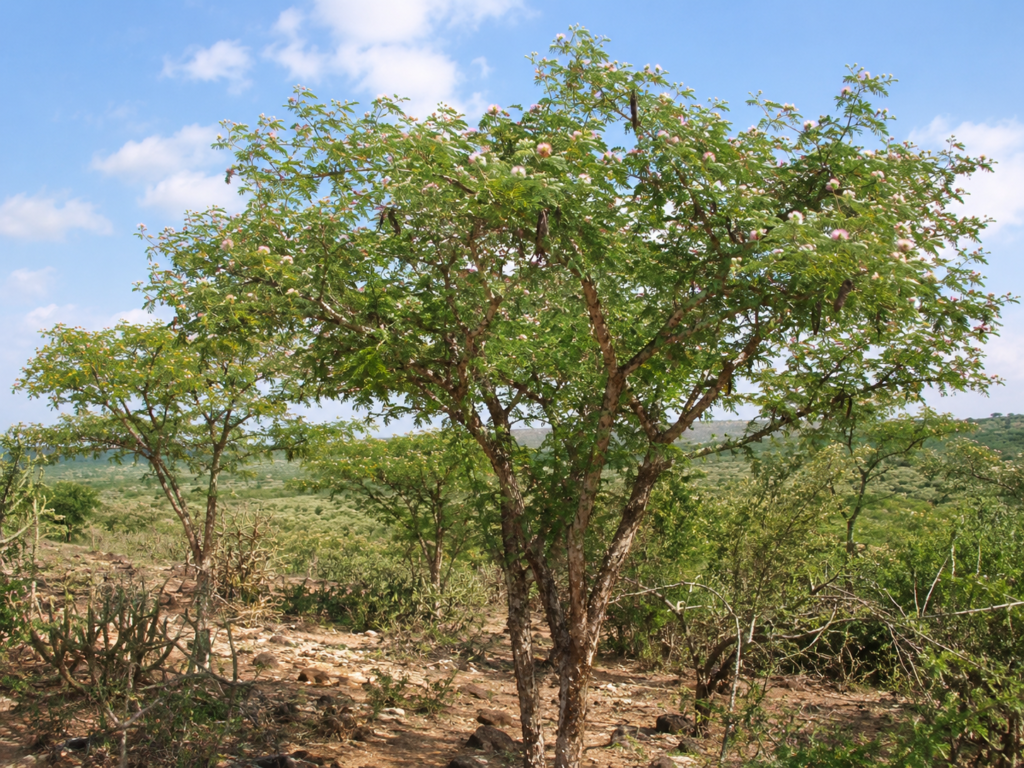
Mimosa Hostilis, also known as Mimosa tenuiflora, is a perennial tree native to northeastern Brazil and parts of Central America. The root bark of this plant has been used for centuries by indigenous communities and is widely studied for its rich phytochemical profile.
The root bark is typically harvested, dried, and then processed into one of three commercial forms:
- Whole bark – dried root bark in its most natural, unprocessed state
- Shredded bark – mechanically broken down into small, irregular strips or chips
- Powdered bark – finely milled into a consistent, uniform powder
Visit our shop page below to browse full collection..
Each form originates from the same plant material. The difference lies entirely in the level of post-harvest processing applied before packaging and sale.
Why Different Forms Exist
The availability of multiple forms isn’t arbitrary — it reflects real-world demand from different user groups with different needs.
- Researchers and scientists often prefer powder for its uniformity and ease of measurement
- Natural dye artists may prefer shredded or whole for controlled extraction rates
- Bulk buyers and long-term storage users often opt for whole bark due to its longer shelf life
- Small-scale users benefit from powder’s convenience and faster processing
Processing also affects price. Whole bark typically costs less per gram because it requires minimal processing. Shredded bark sits in the middle. Powder commands a premium due to the additional milling step, but it saves the buyer time and equipment costs.
Powder vs Shredded vs Whole: Detailed Comparison
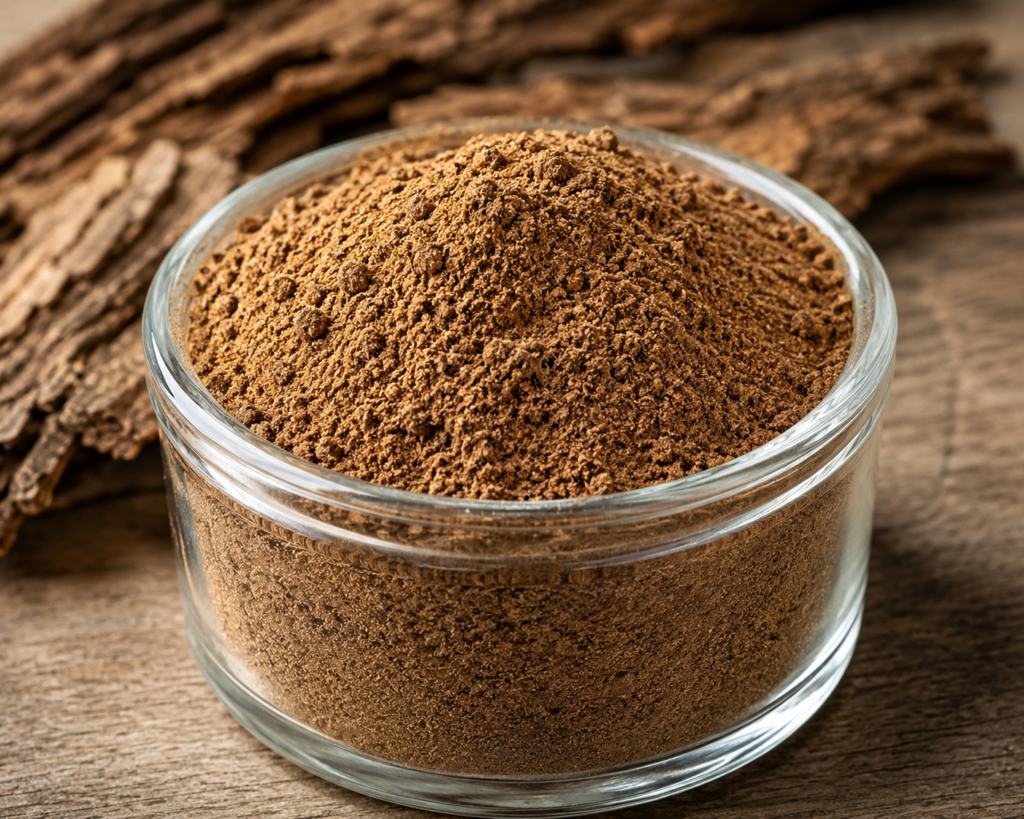
Mimosa Hostilis Powder
- Finely milled, uniform texture — particle size typically under 100 microns
- Immediately ready to use with no additional processing required
- Highest surface area of the three forms, which can affect extraction speed
- More susceptible to moisture, clumping, and oxidation during storage
- Requires airtight packaging to maintain quality
- Easiest to measure accurately by weight
- Ideal for users who want convenience and consistent results
- Usually the most expensive form per gram due to milling costs
- May present inhalation risks during handling — a dust mask is recommended
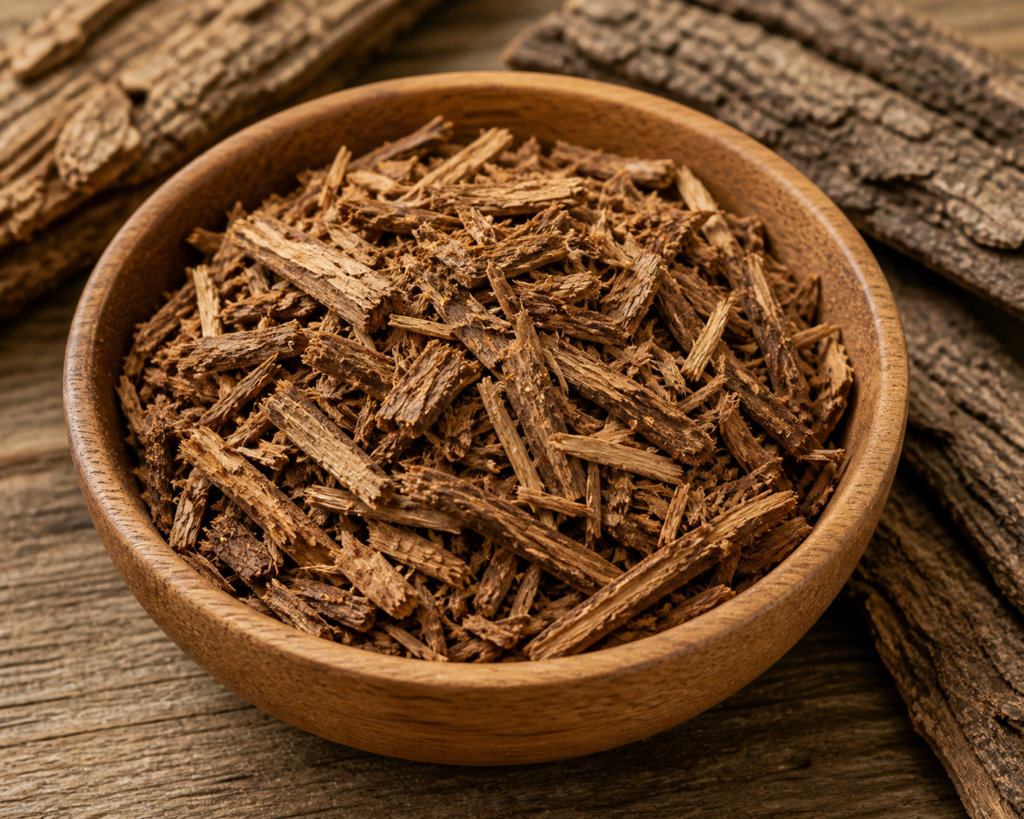
Shredded Mimosa Hostilis Root Bark
- Broken down into irregular strips, chips, or small fragments
- A middle-ground option between whole and powder in terms of processing
- Moderate surface area — more than whole, less than powder
- Easier to work with than whole bark, without the fine-dust handling concerns of powder
- Offers more flexibility — can be used as-is or further ground if needed
- Stores reasonably well when kept in a cool, dark, dry environment
- Good option for users who want some pre-processing without full milling
- Slightly more affordable than powder while still being easy to handle
- Visual quality is easy to inspect — discoloration or contamination is readily visible
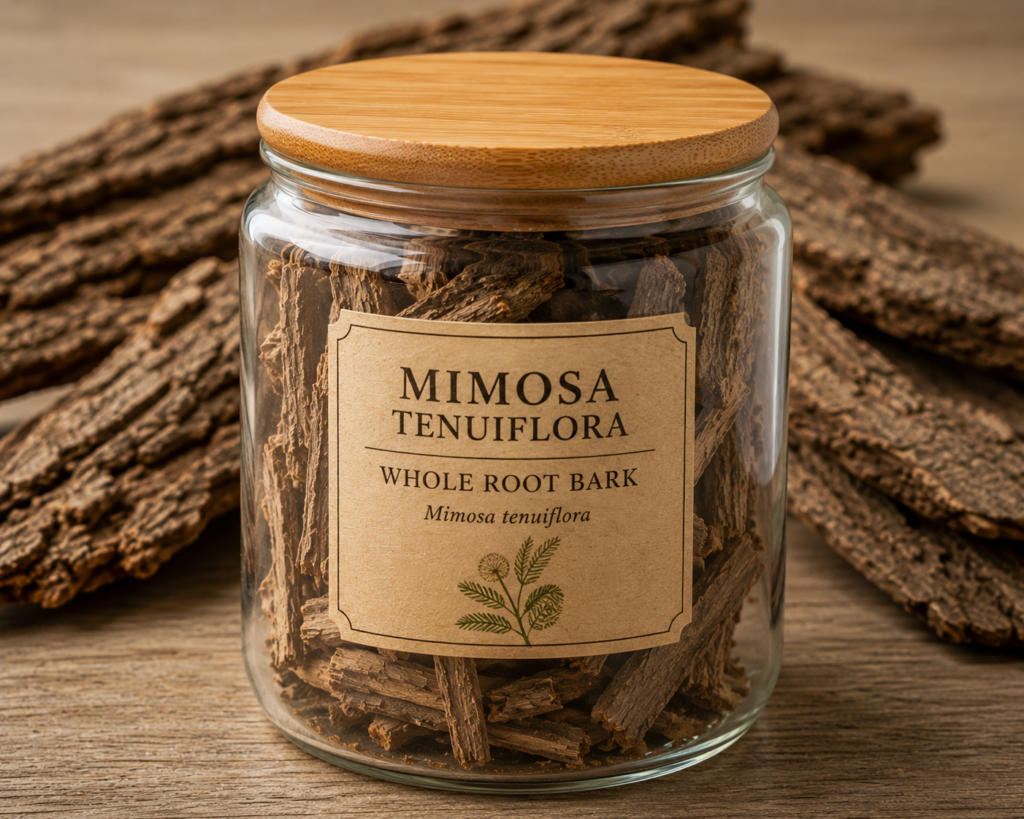
Whole Mimosa Hostilis Root Bark
- Bark in its most natural, unaltered state after drying
- Lowest surface area of the three forms
- Most stable form for long-term storage — resists moisture and oxidation better
- Requires additional processing (grinding, shredding) before most applications
- Typically the most affordable option per gram
- Easiest to visually authenticate — the natural layered structure of the root bark is clearly visible
- Preferred by buyers who want to control their own processing
- Bulkier and heavier to ship compared to equivalent weights of powder
- Best for large wholesale purchases or long-term stockpiling
Key Differences Summary
- Processing level: Whole (none) → Shredded (moderate) → Powder (high)
- Surface area: Whole (lowest) → Shredded (moderate) → Powder (highest)
- Price per gram: Whole (lowest) → Shredded (mid) → Powder (highest)
- Shelf life: Whole (longest) → Shredded (moderate) → Powder (shortest)
- Ease of use: Powder (easiest) → Shredded (moderate) → Whole (requires processing)
- Storage requirements: Powder (strictest) → Shredded (moderate) → Whole (most forgiving)
- Visual authentication: Whole (easiest) → Shredded (moderate) → Powder (hardest)
Which Form Should You Choose?
Choose powder if:
- You want a ready-to-use product with no additional equipment
- Consistency and accuracy in measurement are important
- You’re working in small batches
- You’re comfortable with careful storage practices
Choose shredded if:
- You want a versatile option that’s easy to handle
- You’d like to visually inspect the material before use
- You want a balance between convenience and affordability
- You may want to grind it further yourself
Choose whole if:
- You’re buying in bulk and prioritize shelf life
- You have your own grinding or processing equipment
- You want the most cost-effective option per gram
- You prefer to control the entire processing chain yourself
Storage and Handling Differences
Powder:
- Store in airtight, moisture-proof containers — glass jars with sealed lids are ideal
- Keep away from light, heat, and humidity at all times
- Use silica gel packets inside the container to absorb ambient moisture
- Avoid opening the container frequently to minimize air exposure
- Shelf life: 12–18 months under optimal conditions
Shredded:
- Store in sealed bags or containers away from direct sunlight
- Moderate moisture resistance — still requires a dry environment
- Can be stored in vacuum-sealed bags for extended shelf life
- Shelf life: 18–24 months under optimal conditions
Whole:
- Most forgiving in terms of storage — can tolerate slightly more ambient humidity
- Still best kept in a cool, dark location
- Wrap in paper or breathable fabric for very long-term storage
- Shelf life: 24–36 months or longer when stored properly
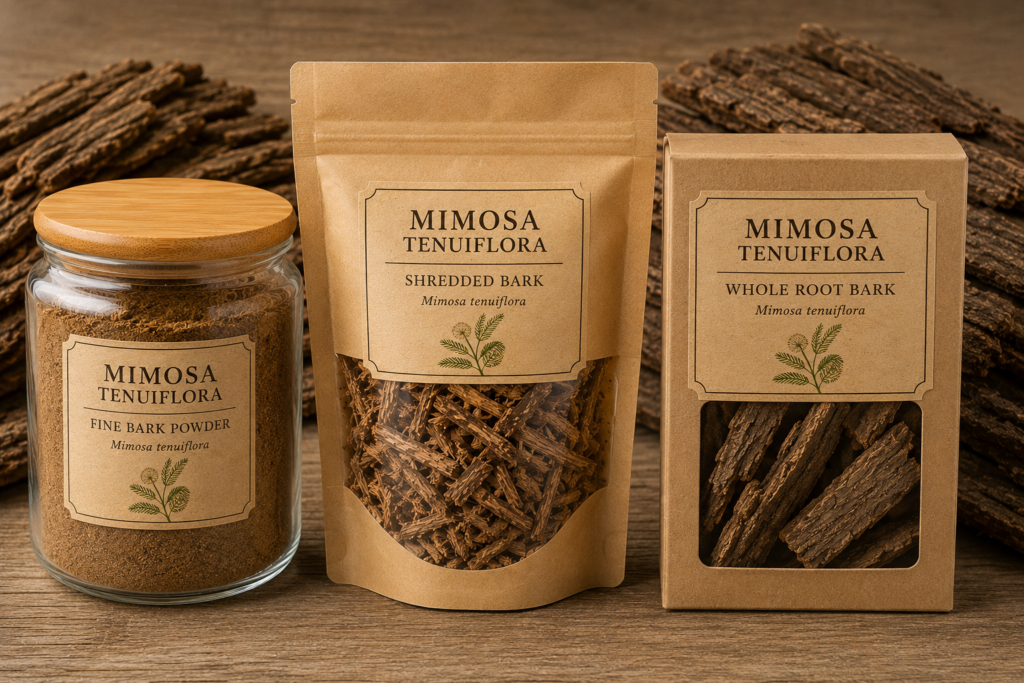
Recommended Products
Ready to purchase? Explore our range of ethically sourced Mimosa Hostilis Root Bark in all three forms:
- 🌿 MHRB Powder — finely milled, ready to use
- 🌿 MHRB Shredded — flexible, easy to handle → [MHRB Shredded Link]
- 🌿 MHRB Whole — bulk-friendly, longest shelf life → [MHRB Whole Link]
All products are third-party tested, sustainably harvested, and shipped in discreet, moisture-resistant packaging.
Frequently Asked Questions
Q: Is mimosa hostilis powder stronger than whole bark? All three forms come from the same plant material, so they share the same phytochemical composition by weight. The difference is in surface area and ease of processing, not potency.
Q: Can I grind whole bark into powder at home? Yes. A high-powered blender or herb grinder can convert shredded or whole bark into powder. Always wear a dust mask and eye protection when grinding, as fine particles can be an irritant.
Q: Which form is best for natural fabric dyeing? Shredded or whole bark is generally preferred for natural dyeing because the slower release rate allows for more controlled color extraction. Powder can over-extract quickly and may produce uneven results.
Q: How do I know if my MHRB powder is authentic? Authentic MHRB powder should have a reddish-brown color and an earthy, woody aroma. Because powder is harder to visually authenticate than whole or shredded bark, always purchase from a reputable supplier who provides batch testing documentation.
Q: Does the form affect the price significantly? Yes. Generally, powder costs 20–40% more per gram than whole bark of equivalent quality due to the milling process. Shredded sits in between. Buying in bulk typically reduces the price per gram across all forms.
Conclusion
Choosing between mimosa hostilis powder vs shredded vs whole comes down to your priorities: convenience, cost, shelf life, or processing control. Powder is ideal for those who want a ready-to-use product. Shredded offers a versatile middle ground. Whole bark suits bulk buyers and those who prefer to process the material themselves. Whichever form you choose, ensure you’re buying from a reputable, transparent supplier and that you store your product correctly to maintain its quality over time.
Compliance Disclaimer
This article is intended for educational and informational purposes only. The information provided does not constitute medical, legal, or professional advice of any kind. Mimosa Hostilis Root Bark is sold strictly as a botanical specimen for research, botanical study, natural dyeing, and related lawful purposes. It is the sole responsibility of the buyer to understand and comply with all applicable local, state, national, and international laws regarding the purchase, possession, and use of this material. The seller and author make no claims regarding therapeutic, psychoactive, or medicinal properties of this product. This product is not intended to diagnose, treat, cure, or prevent any disease or condition.