
PRODUCT OVERVIEW
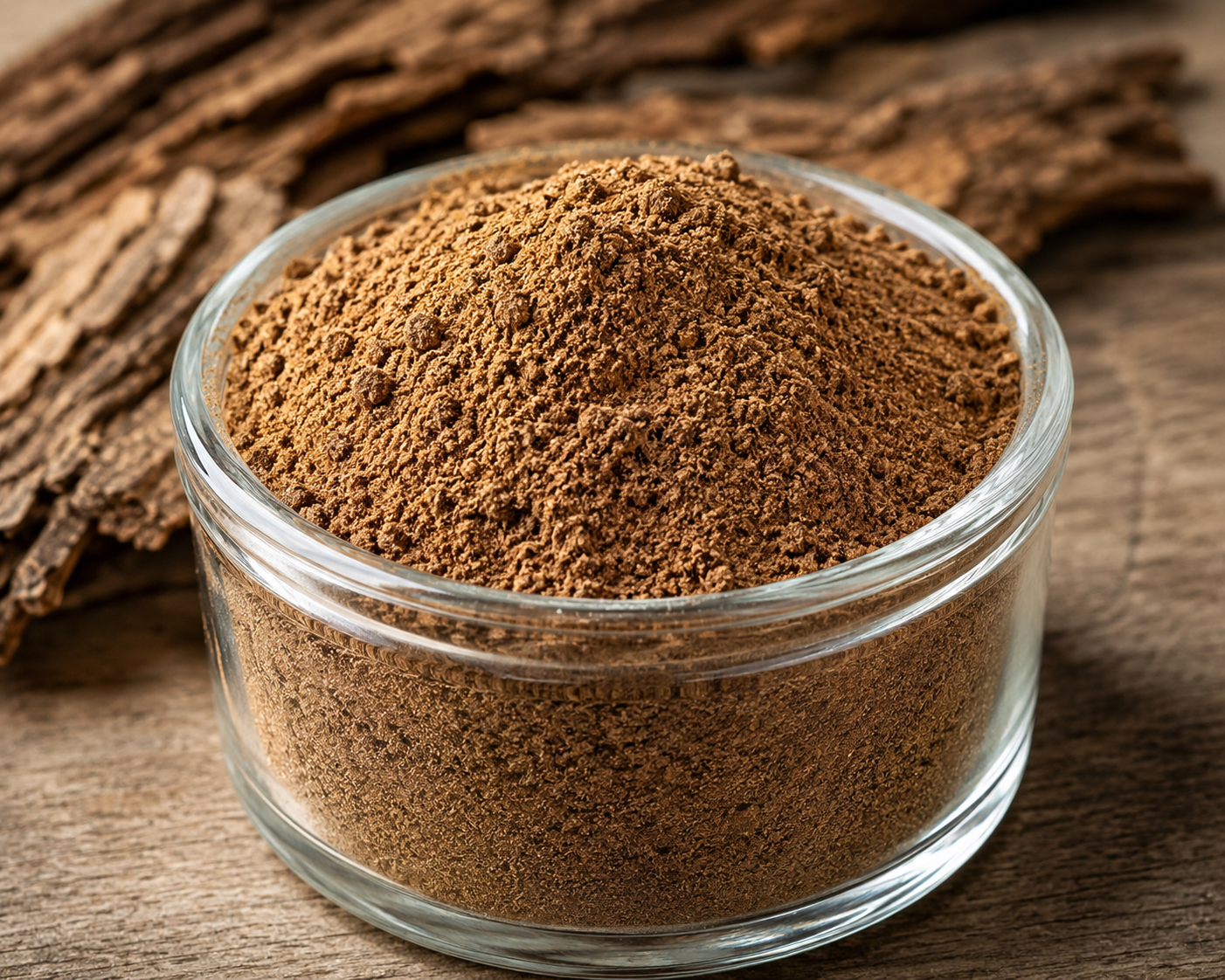
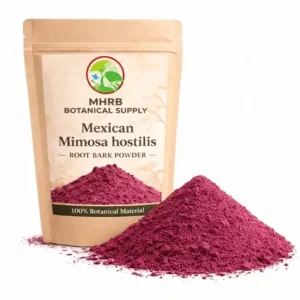
Discover high-quality Mexican Mimosa Hostilis Root Bark Powder (MHRB), a versatile botanical material valued for its traditional uses, natural dye properties, and consistent quality. Sourced from mature trees in Mexico, this finely ground powder is carefully prepared to maintain its natural composition.
🌿 What is Mimosa Hostilis Root Bark?
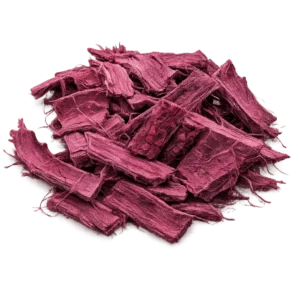
Mimosa Hostilis, also known as Jurema, is a tree native to parts of Central and South America. Its root bark has been traditionally used for generations in various cultural, botanical, and craft applications.
The powdered form offers a convenient way to work with this plant material, especially for dyeing, extraction processes, and general botanical use.
🌎 Origin & Sourcing
Our Mimosa Hostilis Root Bark Powder is:
- Sourced from Mexico
- Harvested from mature trees
- Processed using careful drying and grinding methods
- Free from additives or fillers
This ensures a consistent, natural product suitable for a wide range of applications.
⭐ Key Features
- Finely Milled Powder – Easy to use and highly versatile
- Natural Composition – No chemicals, additives, or preservatives
- Rich Dark Color – Indicator of quality root bark material
- Multi-Purpose Use – Suitable for dyeing, botanical preparations, and traditional applications
🎨 Common Uses of MHRB Powder
✔ Natural Dye Applications
Mimosa Hostilis Root Bark is widely used as a plant-based dye, producing deep and lasting colors for:
- Textiles
- Fabrics
- Artistic projects
✔ Botanical & Ethnobotanical Use
Traditionally recognized in ethnobotanical contexts, this material has been used in various cultural practices.
✔ Craft & Experimental Use
Suitable for:
- Botanical research
- Natural product experimentation
- DIY projects involving plant materials
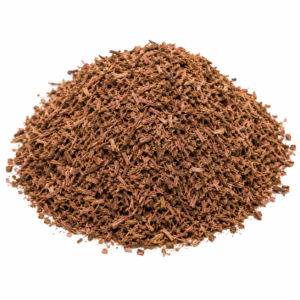
🆚 Powder vs. Shredded Bark (Important)
| Feature | Powder | Shredded |
|---|---|---|
| Ease of Use | Very easy | Moderate |
| Surface Area | High | Lower |
| Storage | Compact | Bulkier |
| Best For | Dyeing, extraction | Long-term storage |
👉 Powdered bark is preferred for efficiency and consistency.
🧪 How to Use
For Natural Dyeing
- Mix powder with water
- Heat gently for extraction
- Strain and apply to fabric
For Botanical Preparations
- Can be used in various plant-based processes depending on intended application
📦 Storage Guidelines
To maintain quality:
- Store in a cool, dry place
- Keep in an airtight container
- Avoid direct sunlight and moisture
Proper storage helps preserve color, texture, and usability over time.
✅ How to Identify High-Quality MHRB
When selecting Mimosa Hostilis Root Bark Powder, look for:
- Deep reddish-brown to dark color
- Fine, consistent texture
- Clean, earthy scent
- No visible contaminants
⚖️ Legal & Safety Notice
- This product is sold as a botanical specimen / natural material
- Not intended for consumption
- Buyers are responsible for understanding local regulations regarding use
🟢 🔹 FAQ SECTION (VERY IMPORTANT FOR SEO)
❓ What is Mimosa Hostilis Root Bark Powder used for?
It is commonly used for natural dyeing, botanical research, and traditional ethnobotanical applications.
❓ Is powdered MHRB better than shredded bark?
Powder offers greater surface area, making it more efficient for dyeing and processing.
❓ How long does Mimosa Hostilis powder last?
When stored properly in a dry, sealed container, it can last for an extended period without significant loss of quality.
❓ How should I store MHRB powder?
Keep it in an airtight container away from heat, moisture, and direct sunlight.
❓ What makes Mexican MHRB different?
Mexican Mimosa Hostilis is often valued for its consistent quality and suitability for natural dye applications.
Reviews
There are no reviews yet.