
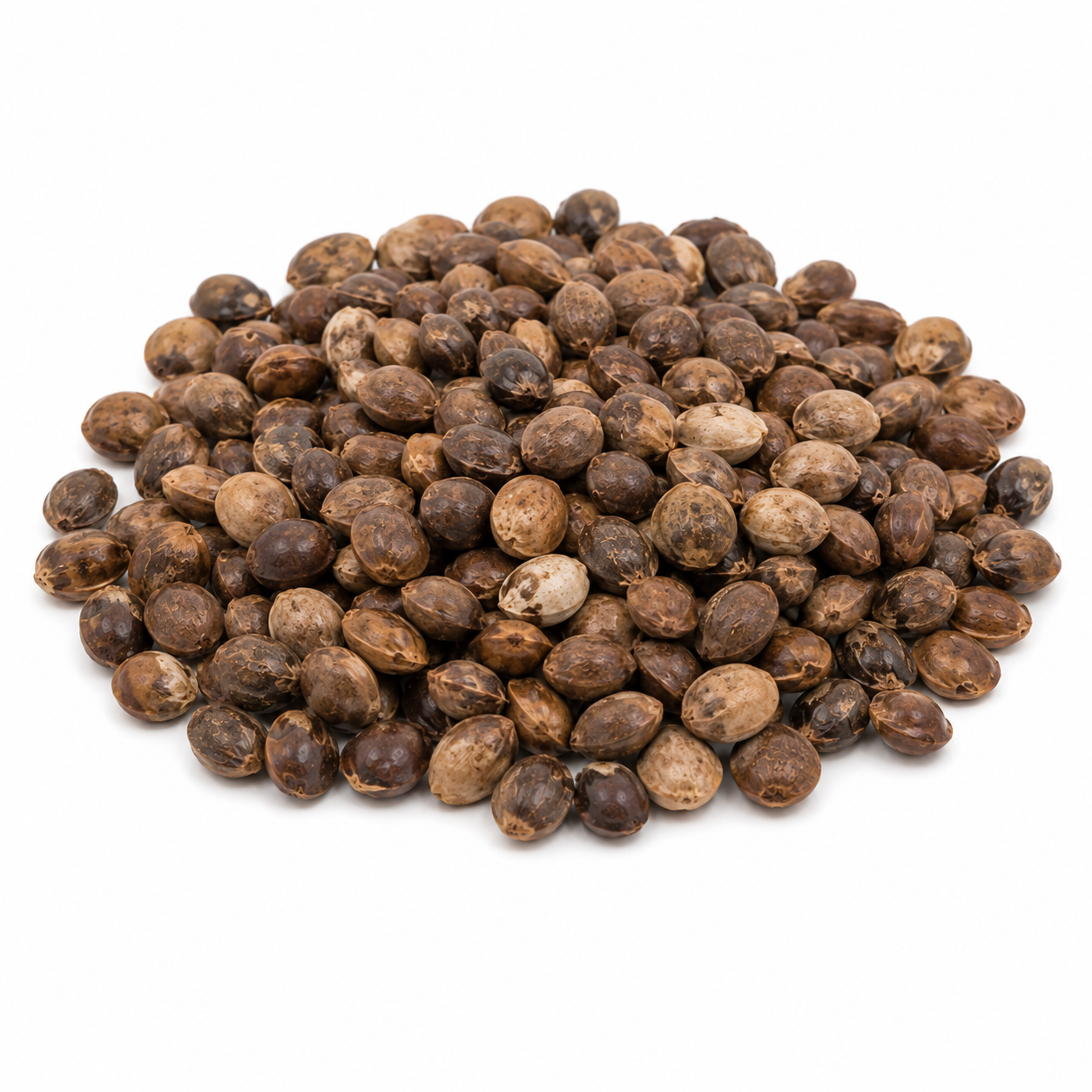
Mimosa hostilis seeds are sourced from cultivated Mimosa hostilis trees and supplied in their natural, untreated form for botanical reference, propagation, and educational applications. Producers carefully collect and dry the seeds to preserve their natural viability, appearance, and structural integrity.
Moreover, Mimosa hostilis has long been recognized in ethnobotanical documentation due to its adaptability and resilience in tropical and semi-arid environments. Because the seeds remain unmodified and additive-free, natural variation in size, coloration, and surface texture may occur between batches. These differences reflect normal plant genetics and environmental growing conditions rather than processing alterations.
Additionally, researchers, collectors, and botanical enthusiasts often select Mimosa hostilis seeds for propagation study and archival documentation. Therefore, this product supports educational and ethnobotanical reference purposes where legally permitted.
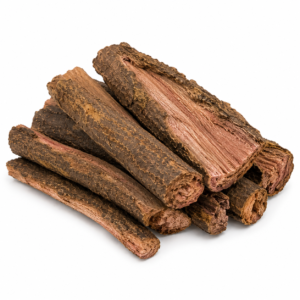
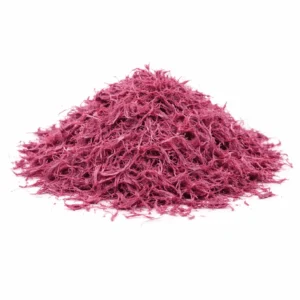
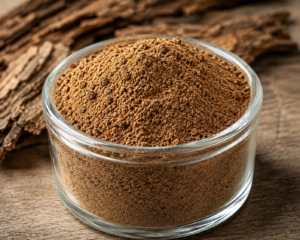
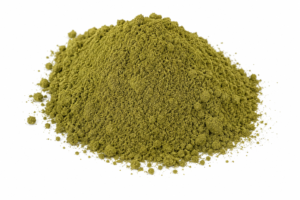
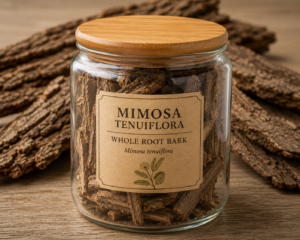
As Mimosa hostilis trees mature, growers harvest and prepare different root bark formats used in ethnobotanical reference collections and botanical study. Researchers and collectors often explore products such as Mexican Mimosa hostilis inner root bark (whole), Mexican MHRB shredded, and finely ground Mimosa hostilis root bark powder for archival handling and documentation purposes.
Additionally, Brazilian-origin Mimosa hostilis products—including Brazilian whole inner root bark, Brazilian shredded MHRB, and Brazilian Mimosa hostilis powder—offer distinct botanical characteristics that allow comparison between regional varieties. Consequently, Mimosa hostilis seeds represent the starting point in the lifecycle of the tree from which these various botanical materials are carefully sourced and prepared.
🟢 Product Characteristics
Botanical Name
Mimosa hostilis
Plant Material
Seeds
Form
Whole natural seeds
Source
Cultivated Mimosa hostilis trees
Processing
Harvested and dried only
Additives
None
Modification
No chemical treatment or enhancement
🟢 Why Choose Mimosa hostilis Seeds
- Sourced from cultivated Mimosa hostilis trees
- Natural untreated seed material
- Suitable for propagation study and botanical reference
- Supports educational and archival use
- Preserves natural plant characteristics
- Carefully selected for quality and consistency
🟢 Propagation Overview
Mimosa hostilis seeds naturally germinate following exposure to moisture and warm temperatures. Because the seeds feature a hard outer coat, growers often prepare them before sowing to improve water absorption and germination consistency.
Common Seed Preparation Methods
Cold Water Soak
Seeds are soaked in room-temperature water for 12–24 hours before planting.
Warm Water Treatment
Growers briefly expose seeds to warm water and allow gradual cooling prior to sowing.
Natural Scarification
Some cultivated seeds germinate successfully without additional preparation.
These methods help support more uniform germination and early seedling development.
Germination Conditions
Growers typically sow Mimosa hostilis seeds in sandy, well-draining soil at a depth of approximately 1–2 cm. Seedlings generally prefer:
- Moderate sunlight
- Warm temperatures between 20–30°C
- Controlled watering
- Good airflow
Under suitable conditions, germination may occur within 1–3 weeks.
🟢 Storage Guidance
Store Mimosa hostilis seeds in cool, dry, airtight containers away from direct sunlight and excess humidity. Proper storage helps preserve seed quality and long-term viability.
🟢 Intended Use & Legal Notice
This product is sold strictly as a botanical specimen for educational, archival, propagation, and ethnobotanical reference purposes only. Laws regarding Mimosa hostilis vary by jurisdiction. Therefore, buyers must verify all applicable local and national regulations before purchase or possession.
The seller does not promote or endorse human consumption or medicinal use.
🟢 FAQ Section
What are Mimosa hostilis seeds?
They are natural seeds collected from cultivated Mimosa hostilis trees for botanical propagation and educational reference purposes.
Are the seeds chemically treated?
No. The seeds remain untreated and free from chemical enhancement or additives.
How should the seeds be stored?
Store them in sealed containers in a cool, dry location away from direct moisture and sunlight.
How long do Mimosa hostilis seeds take to germinate?
Under suitable conditions, germination may occur within 1–3 weeks.
What are these seeds intended for?
These seeds are supplied strictly for botanical propagation, educational, archival, and ethnobotanical reference purposes.
Reviews
There are no reviews yet.