
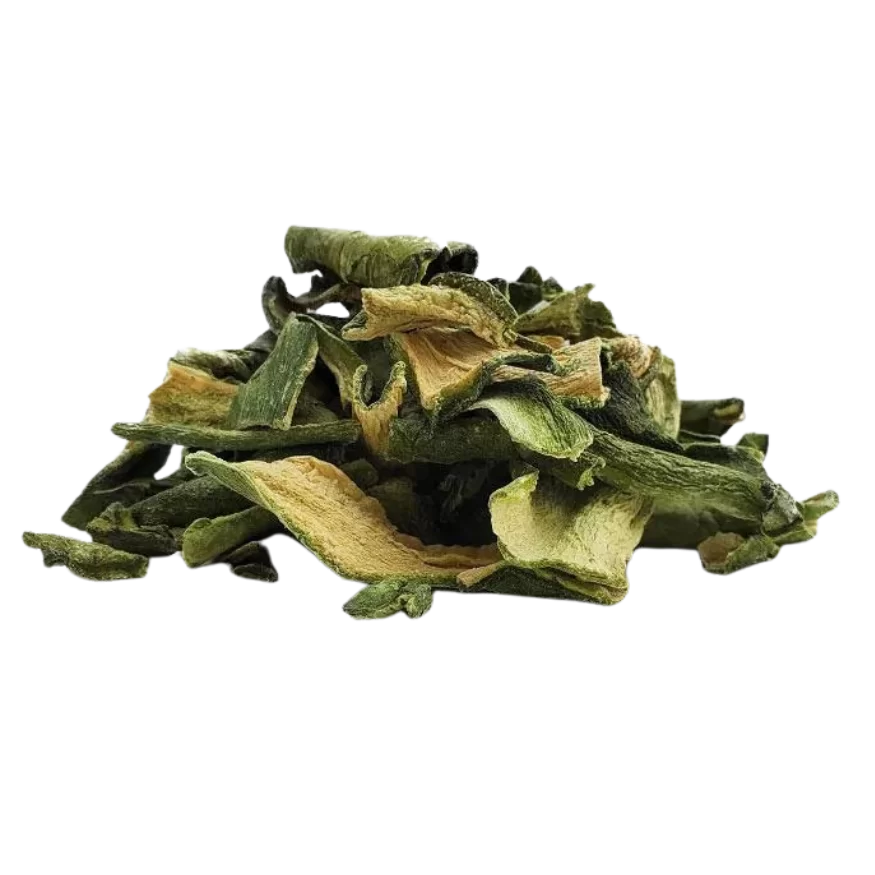
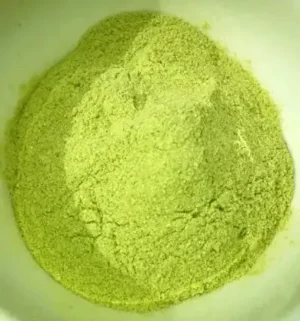
Peruvian Torch Cactus Dried Skin
Premium Botanical Specimen from the Andean Highlands
When you need a botanical specimen that combines visual impact, structural authenticity, and proven ethnobotanical significance, our Peruvian Torch cactus dried skin is the right choice. Sourced from cultivated Trichocereus peruvianus in the Andean highlands of Peru, each strip of dried skin is hand-harvested, sun-dried without industrial processing, and hermetically sealed to preserve every characteristic that makes this species one of the most recognizable columnar cacti in the world.
This is Peruvian Torch cactus at its most authentic. No extraction. No chemical treatment. No artificial drying. Just the firm, blue-green outer skin of one of South America’s most documented botanical species, prepared to the standard that serious collectors, researchers, and ethnobotanical archivists expect.
What Is Peruvian Torch Cactus?
Peruvian Torch cactus — known botanically as Echinopsis peruviana and by its widely accepted synonym Trichocereus peruvianus — is a fast-growing columnar cactus native to the Andean highland regions of Peru. It grows naturally at elevations between 2,000 and 3,000 meters above sea level, where intense mountain sunlight and cool Andean nights produce the species’ most distinctive feature: a striking blue-green or glaucous skin coloration that no other major columnar cactus replicates.
The Peruvian Torch is closely related to San Pedro cactus (Echinopsis pachanoi) but botanically distinct in several important ways that directly affect the quality and character of its dried skin material. Understanding these differences helps you make a more informed purchase and explains exactly why Trichocereus peruvianus dried skin commands consistent demand among collectors and researchers worldwide.
Key botanical facts:
- Scientific name: Echinopsis peruviana
- Botanical synonym: Trichocereus peruvianus
- Family: Cactaceae
- Common names: Peruvian Torch, Blue Torch, Blue Torch Cactus
- Native range: Andean highlands of Peru, northern Chile
- Growth habit: Columnar, multi-stemmed, 3 to 6 meters tall
- Rib count: 6 to 9 broad, well-defined ribs per stem column
- Spines: Long, golden to honey-brown — significantly more prominent than San Pedro
- Skin: Distinctly blue-green or glaucous — the species’ most identifiable visual characteristic
- Growth rate: 30 to 60 cm per year under optimal conditions
- Cultural history: Documented in Andean ethnobotanical records spanning over 3,000 years
How Peruvian Torch Dried Skin Differs From San Pedro
Many buyers ask how Peruvian Torch dried skin compares to San Pedro cactus dried skin. The answer matters — because these are not interchangeable products. They come from different species with measurably different botanical profiles, and those differences are clearly visible in the dried material.
Skin thickness: The stem walls of Trichocereus peruvianus are notably thicker than those of Echinopsis pachanoi. This means each strip of Peruvian Torch dried skin is denser, heavier, and more structurally robust than an equivalent piece of San Pedro dried skin. For collections and craft applications that require durability and visual presence, this is a significant advantage.
Color: San Pedro cactus skin dries to a deep green or olive-green. Peruvian Torch skin retains a distinctly blue-green or grey-green hue even after drying — the glaucous pigmentation is partially preserved through the sun-drying process and remains clearly visible in finished strips. This color difference makes Trichocereus peruvianus immediately recognizable in comparative botanical collections.
Spine structure: Each dried strip of Peruvian Torch skin retains the areole impressions where the species’ characteristic long golden spines were attached. These areole marks are more prominent and more widely spaced than on San Pedro skin — a useful morphological identification feature for botanical study and taxonomy work.
Surface texture: Peruvian Torch outer skin has a firmer, slightly coarser surface feel compared to the smoother texture of San Pedro skin. This difference reflects the thicker cuticle layer that Trichocereus peruvianus develops as an adaptation to the harsher, more exposed Andean conditions in which it grows.
Our Production Process
Every strip of Peruvian Torch cactus dried skin we sell passes through a carefully controlled, fully artisanal production process. We use no industrial shortcuts, because shortcuts produce inferior material.
Step 1 — Selection: We source exclusively from cultivated Echinopsis peruviana specimens grown by local Andean communities in Peru. We select only botanically mature cacti — plants that have reached full stem development and display the characteristic blue-green coloration and full rib definition of the species at peak growth.
Step 2 — Hand harvesting: Local harvesters remove the outer skin layer by hand using traditional separation techniques. The spines are removed during this process. Only the outer skin and a thin layer of underlying flesh are taken — the core of the cactus is not included in our dried skin product.
Step 3 — Cleaning: Each strip is individually cleaned to remove surface debris, loose spine fragments, and any material that does not meet our physical quality standards.
Step 4 — Sun drying: The cleaned strips are dried slowly under natural Andean sunlight. We use no industrial ovens, no forced-air systems, and no chemical drying agents. Slow sun-drying preserves the blue-green pigmentation, maintains the fibrous structure of the skin, and retains the clean botanical aroma characteristic of fresh Trichocereus peruvianus material.
Step 5 — Inspection: Every batch undergoes visual quality control before packaging. We verify color consistency, structural integrity, moisture level, and the absence of contamination across the entire batch.
Step 6 — Packaging: Approved strips are hermetically sealed in moisture-resistant packaging immediately after inspection. Every unit receives a clear batch label showing: Echinopsis peruviana / Trichocereus peruvianus · Dried Skin · Origin: Peru · Lot number · Packaging date.
Quality Characteristics of Premium Peruvian Torch Dried Skin
Knowing what premium Trichocereus peruvianus dried skin looks, feels, and smells like protects you from low-grade material. Here is exactly what to expect from a quality batch.
Color:
- Outer surface: blue-green to grey-green — clearly distinct from the standard green of San Pedro
- Inner surface (flesh side): lighter green to pale greenish-white
- Uniform throughout each strip — no bleaching, browning, or black spots
- Natural batch-to-batch variation in shade is normal and expected
Texture:
- Firm, dense, and fibrous — noticeably thicker than San Pedro skin
- The outer surface retains a slightly waxy botanical feel
- Areole impressions are visible — confirming authentic whole outer skin rather than inner pulp material
- Strips hold their shape and structure without crumbling
Aroma:
- Clean, mild, earthy botanical scent with a faintly green, herbaceous note
- No musty, sour, chemical, or fermented odor
- The natural aroma remains detectable in properly stored material
Structure:
- Strips are free of core material and spines
- Each piece consists solely of outer skin with a thin layer of underlying flesh
- No foreign material, mold, white powdery residue, or signs of moisture damage
Common Applications for Peruvian Torch Dried Skin
Buyers source Peruvian Torch cactus dried skin (Echinopsis peruviana / Trichocereus peruvianus) for a wide range of legitimate botanical, educational, and creative purposes. Here are the most common applications.
Ethnobotanical reference collections: Researchers building comprehensive Andean cactus collections regularly include Trichocereus peruvianus alongside Echinopsis pachanoi to represent both major species in the Trichocereus group. The visual differences between the two dried skins make them complementary specimens that strengthen any serious ethnobotanical archive.
Comparative botanical study: The distinct color, thickness, spine structure, and surface texture of Peruvian Torch dried skin make it an excellent physical reference for comparative Cactaceae morphology. Botany students and researchers use it alongside San Pedro and other columnar cactus specimens to study species differentiation.
Botanical taxonomy and identification: The areole impressions, rib structure marks, and glaucous pigmentation visible on dried Trichocereus peruvianus skin are primary diagnostic features used in field identification. Physical dried specimens support teaching and reference work in plant taxonomy courses.
Natural dye and pigment research: The blue-green chlorophyll content and glaucous surface compounds of Peruvian Torch outer skin are of active interest to natural dye practitioners and botanical pigment researchers working with Andean plant-based colorants.
Natural craft and artisanal work: The visual striking appearance of Trichocereus peruvianus dried skin — its blue-green color, thick profile, and firm texture — makes it a favored material for natural craft artists and artisans working with authentic South American botanical materials.
Herbarium and archival collections: University and institutional plant collections add dried Echinopsis peruviana skin specimens to long-term archives documenting significant Andean botanical species alongside written records and photographic documentation.
Storage Instructions
Correct storage protects the color, texture, aroma, and structural integrity of your Peruvian Torch cactus dried skin for the full extent of its shelf life.
Follow these storage guidelines:
- Store in a sealed, airtight container — a glass jar with a tight lid or a vacuum-sealed bag is the most effective option
- Keep in a cool, dark location away from direct sunlight and heat sources — ideal temperature is below 25°C (77°F)
- Place a food-grade silica gel desiccant packet inside your storage container to control ambient moisture
- Do not store near strongly scented materials, essential oils, or aromatic herbs — dried cactus skin absorbs surrounding odors over time
- Always handle with clean, dry hands to avoid transferring oils or moisture to the material
- Label your container clearly: Echinopsis peruviana / Trichocereus peruvianus · Dried Skin · Lot number · Date received
- Estimated shelf life: 18 to 36 months under optimal conditions
Following these steps ensures your Peruvian Torch dried skin retains its characteristic blue-green color, firm texture, and clean botanical aroma well beyond the 12-month minimum.
Our Sourcing and Quality Commitment
At MHRB Botanical Supply, we apply the same rigorous sourcing standards to our Peruvian Torch products that we apply across our entire botanical range. Every product we sell must meet the following requirements before it is listed for purchase.
Cultivated origin only: We source exclusively from cultivated Trichocereus peruvianus specimens grown by local Andean communities in Peru. We do not purchase wild-harvested material, and we do not work with intermediaries who cannot confirm cultivation origin.
Batch-by-batch quality verification: Every incoming batch undergoes physical inspection before acceptance. We check color, texture, aroma, moisture level, structural integrity, and the absence of contamination. Batches that do not meet our standards are rejected — not discounted and sold anyway.
Full traceability: Every unit we ship carries a unique lot number that traces the material back to its specific batch, harvest period, and origin community. You always know exactly what you are buying and where it came from.
Sustainable community partnerships: Our supply partners in Peru practice responsible, cycle-respecting harvesting that supports the long-term health of cultivated Echinopsis peruviana populations and provides fair income to local Andean communities.
Compliance and Intended Use
Peruvian Torch Cactus Dried Skin (Echinopsis peruviana / Trichocereus peruvianus) is sold strictly as a botanical specimen for educational, ethnobotanical, archival, collection, and reference purposes only.
This product is not intended for human consumption. The seller makes no claims regarding therapeutic, medicinal, psychoactive, or any other physiological properties of this material.
It is the sole and complete responsibility of the buyer to verify all applicable local, state, and federal laws regarding the purchase, possession, and use of Trichocereus peruvianus / Echinopsis peruviana material before placing an order. The seller does not promote or endorse consumption, extraction, or any prohibited application.
Botanical name: Echinopsis peruviana (syn. Trichocereus peruvianus) Form: Dried outer skin strips Origin: Peru (cultivated) Processing: Hand-harvested, sun-dried, no additives Additives: NonePremium Botanical Specimen from the Andean Highlands
When you need a botanical specimen that combines visual impact, structural authenticity, and proven ethnobotanical significance, our Peruvian Torch cactus dried skin is the right choice. Sourced from cultivated Trichocereus peruvianus in the Andean highlands of Peru, each strip of dried skin is hand-harvested, sun-dried without industrial processing, and hermetically sealed to preserve every characteristic that makes this species one of the most recognizable columnar cacti in the world.
This is Peruvian Torch cactus at its most authentic. No extraction. No chemical treatment. No artificial drying. Just the firm, blue-green outer skin of one of South America’s most documented botanical species, prepared to the standard that serious collectors, researchers, and ethnobotanical archivists expect.
What Is Peruvian Torch Cactus?
Peruvian Torch cactus — known botanically as Echinopsis peruviana and by its widely accepted synonym Trichocereus peruvianus — is a fast-growing columnar cactus native to the Andean highland regions of Peru. It grows naturally at elevations between 2,000 and 3,000 meters above sea level, where intense mountain sunlight and cool Andean nights produce the species’ most distinctive feature: a striking blue-green or glaucous skin coloration that no other major columnar cactus replicates.
The Peruvian Torch is closely related to San Pedro cactus (Echinopsis pachanoi) but botanically distinct in several important ways that directly affect the quality and character of its dried skin material. Understanding these differences helps you make a more informed purchase and explains exactly why Trichocereus peruvianus dried skin commands consistent demand among collectors and researchers worldwide.
Key botanical facts:
- Scientific name: Echinopsis peruviana
- Botanical synonym: Trichocereus peruvianus
- Family: Cactaceae
- Common names: Peruvian Torch, Blue Torch, Blue Torch Cactus
- Native range: Andean highlands of Peru, northern Chile
- Growth habit: Columnar, multi-stemmed, 3 to 6 meters tall
- Rib count: 6 to 9 broad, well-defined ribs per stem column
- Spines: Long, golden to honey-brown — significantly more prominent than San Pedro
- Skin: Distinctly blue-green or glaucous — the species’ most identifiable visual characteristic
- Growth rate: 30 to 60 cm per year under optimal conditions
- Cultural history: Documented in Andean ethnobotanical records spanning over 3,000 years
How Peruvian Torch Dried Skin Differs From San Pedro
Many buyers ask how Peruvian Torch dried skin compares to San Pedro cactus dried skin. The answer matters — because these are not interchangeable products. They come from different species with measurably different botanical profiles, and those differences are clearly visible in the dried material.
Skin thickness: The stem walls of Trichocereus peruvianus are notably thicker than those of Echinopsis pachanoi. This means each strip of Peruvian Torch dried skin is denser, heavier, and more structurally robust than an equivalent piece of San Pedro dried skin. For collections and craft applications that require durability and visual presence, this is a significant advantage.
Color: San Pedro cactus skin dries to a deep green or olive-green. Peruvian Torch skin retains a distinctly blue-green or grey-green hue even after drying — the glaucous pigmentation is partially preserved through the sun-drying process and remains clearly visible in finished strips. This color difference makes Trichocereus peruvianus immediately recognizable in comparative botanical collections.
Spine structure: Each dried strip of Peruvian Torch skin retains the areole impressions where the species’ characteristic long golden spines were attached. These areole marks are more prominent and more widely spaced than on San Pedro skin — a useful morphological identification feature for botanical study and taxonomy work.
Surface texture: Peruvian Torch outer skin has a firmer, slightly coarser surface feel compared to the smoother texture of San Pedro skin. This difference reflects the thicker cuticle layer that Trichocereus peruvianus develops as an adaptation to the harsher, more exposed Andean conditions in which it grows.
Our Production Process
Every strip of Peruvian Torch cactus dried skin we sell passes through a carefully controlled, fully artisanal production process. We use no industrial shortcuts, because shortcuts produce inferior material.
Step 1 — Selection: We source exclusively from cultivated Echinopsis peruviana specimens grown by local Andean communities in Peru. We select only botanically mature cacti — plants that have reached full stem development and display the characteristic blue-green coloration and full rib definition of the species at peak growth.
Step 2 — Hand harvesting: Local harvesters remove the outer skin layer by hand using traditional separation techniques. The spines are removed during this process. Only the outer skin and a thin layer of underlying flesh are taken — the core of the cactus is not included in our dried skin product.
Step 3 — Cleaning: Each strip is individually cleaned to remove surface debris, loose spine fragments, and any material that does not meet our physical quality standards.
Step 4 — Sun drying: The cleaned strips are dried slowly under natural Andean sunlight. We use no industrial ovens, no forced-air systems, and no chemical drying agents. Slow sun-drying preserves the blue-green pigmentation, maintains the fibrous structure of the skin, and retains the clean botanical aroma characteristic of fresh Trichocereus peruvianus material.
Step 5 — Inspection: Every batch undergoes visual quality control before packaging. We verify color consistency, structural integrity, moisture level, and the absence of contamination across the entire batch.
Step 6 — Packaging: Approved strips are hermetically sealed in moisture-resistant packaging immediately after inspection. Every unit receives a clear batch label showing: Echinopsis peruviana / Trichocereus peruvianus · Dried Skin · Origin: Peru · Lot number · Packaging date.
Quality Characteristics of Premium Peruvian Torch Dried Skin
Knowing what premium Trichocereus peruvianus dried skin looks, feels, and smells like protects you from low-grade material. Here is exactly what to expect from a quality batch.
Color:
- Outer surface: blue-green to grey-green — clearly distinct from the standard green of San Pedro
- Inner surface (flesh side): lighter green to pale greenish-white
- Uniform throughout each strip — no bleaching, browning, or black spots
- Natural batch-to-batch variation in shade is normal and expected
Texture:
- Firm, dense, and fibrous — noticeably thicker than San Pedro skin
- The outer surface retains a slightly waxy botanical feel
- Areole impressions are visible — confirming authentic whole outer skin rather than inner pulp material
- Strips hold their shape and structure without crumbling
Aroma:
- Clean, mild, earthy botanical scent with a faintly green, herbaceous note
- No musty, sour, chemical, or fermented odor
- The natural aroma remains detectable in properly stored material
Structure:
- Strips are free of core material and spines
- Each piece consists solely of outer skin with a thin layer of underlying flesh
- No foreign material, mold, white powdery residue, or signs of moisture damage
Common Applications for Peruvian Torch Dried Skin
Buyers source Peruvian Torch cactus dried skin (Echinopsis peruviana / Trichocereus peruvianus) for a wide range of legitimate botanical, educational, and creative purposes. Here are the most common applications.
Ethnobotanical reference collections: Researchers building comprehensive Andean cactus collections regularly include Trichocereus peruvianus alongside Echinopsis pachanoi to represent both major species in the Trichocereus group. The visual differences between the two dried skins make them complementary specimens that strengthen any serious ethnobotanical archive.
Comparative botanical study: The distinct color, thickness, spine structure, and surface texture of Peruvian Torch dried skin make it an excellent physical reference for comparative Cactaceae morphology. Botany students and researchers use it alongside San Pedro and other columnar cactus specimens to study species differentiation.
Botanical taxonomy and identification: The areole impressions, rib structure marks, and glaucous pigmentation visible on dried Trichocereus peruvianus skin are primary diagnostic features used in field identification. Physical dried specimens support teaching and reference work in plant taxonomy courses.
Natural dye and pigment research: The blue-green chlorophyll content and glaucous surface compounds of Peruvian Torch outer skin are of active interest to natural dye practitioners and botanical pigment researchers working with Andean plant-based colorants.
Natural craft and artisanal work: The visual striking appearance of Trichocereus peruvianus dried skin — its blue-green color, thick profile, and firm texture — makes it a favored material for natural craft artists and artisans working with authentic South American botanical materials.
Herbarium and archival collections: University and institutional plant collections add dried Echinopsis peruviana skin specimens to long-term archives documenting significant Andean botanical species alongside written records and photographic documentation.
Storage Instructions
Correct storage protects the color, texture, aroma, and structural integrity of your Peruvian Torch cactus dried skin for the full extent of its shelf life.
Follow these storage guidelines:
- Store in a sealed, airtight container — a glass jar with a tight lid or a vacuum-sealed bag is the most effective option
- Keep in a cool, dark location away from direct sunlight and heat sources — ideal temperature is below 25°C (77°F)
- Place a food-grade silica gel desiccant packet inside your storage container to control ambient moisture
- Do not store near strongly scented materials, essential oils, or aromatic herbs — dried cactus skin absorbs surrounding odors over time
- Always handle with clean, dry hands to avoid transferring oils or moisture to the material
- Label your container clearly: Echinopsis peruviana / Trichocereus peruvianus · Dried Skin · Lot number · Date received
- Estimated shelf life: 18 to 36 months under optimal conditions
Following these steps ensures your Peruvian Torch dried skin retains its characteristic blue-green color, firm texture, and clean botanical aroma well beyond the 12-month minimum.
Our Sourcing and Quality Commitment
At MHRB Botanical Supply, we apply the same rigorous sourcing standards to our Peruvian Torch products that we apply across our entire botanical range. Every product we sell must meet the following requirements before it is listed for purchase.
Cultivated origin only: We source exclusively from cultivated Trichocereus peruvianus specimens grown by local Andean communities in Peru. We do not purchase wild-harvested material, and we do not work with intermediaries who cannot confirm cultivation origin.
Batch-by-batch quality verification: Every incoming batch undergoes physical inspection before acceptance. We check color, texture, aroma, moisture level, structural integrity, and the absence of contamination. Batches that do not meet our standards are rejected — not discounted and sold anyway.
Full traceability: Every unit we ship carries a unique lot number that traces the material back to its specific batch, harvest period, and origin community. You always know exactly what you are buying and where it came from.
Sustainable community partnerships: Our supply partners in Peru practice responsible, cycle-respecting harvesting that supports the long-term health of cultivated Echinopsis peruviana populations and provides fair income to local Andean communities.
Compliance and Intended Use
Peruvian Torch Cactus Dried Skin (Echinopsis peruviana / Trichocereus peruvianus) is sold strictly as a botanical specimen for educational, ethnobotanical, archival, collection, and reference purposes only.
This product is not intended for human consumption. The seller makes no claims regarding therapeutic, medicinal, psychoactive, or any other physiological properties of this material.
It is the sole and complete responsibility of the buyer to verify all applicable local, state, and federal laws regarding the purchase, possession, and use of Trichocereus peruvianus / Echinopsis peruviana material before placing an order. The seller does not promote or endorse consumption, extraction, or any prohibited application.
Botanical name: Echinopsis peruviana (syn. Trichocereus peruvianus) Form: Dried outer skin strips Origin: Peru (cultivated) Processing: Hand-harvested, sun-dried, no additives Additives: None
Reviews
There are no reviews yet.